Protein powder is full of lead
Short answerYes, but
On this page
Yes, but. In Consumer Reports’ 2025 tests, more than two thirds of 23 protein powders and shakes had more lead in one serving than its very cautious daily level of 0.5 micrograms, and plant-based ones averaged about nine times the lead of dairy ones. CR also said none was anywhere near the amount that causes immediate harm. Use food or a dairy powder, and not every day.
What we’d do
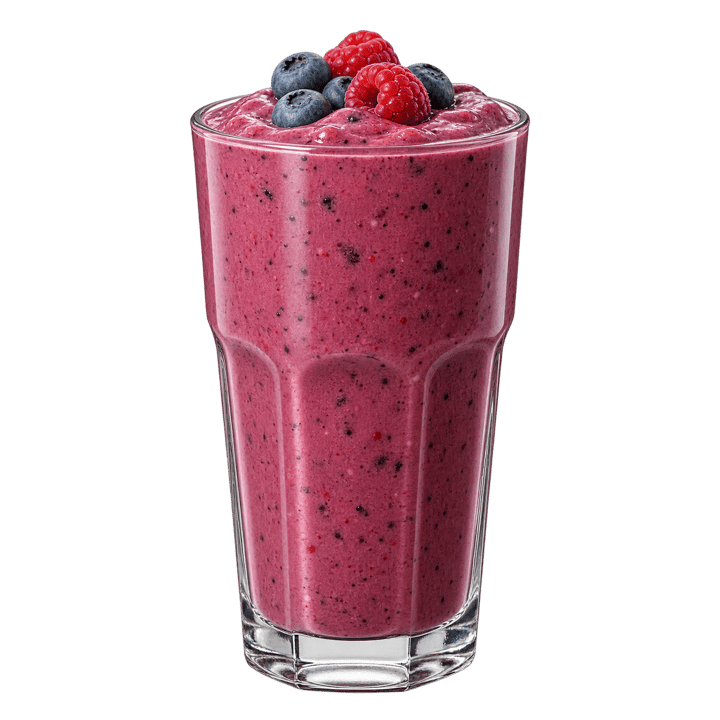
Get most of your smoothie protein from food: milk, Greek yogurt, cottage cheese, soy milk or tofu. When you use a powder, pick a dairy one like whey, and not every day, which is Consumer Reports’ own advice for most powders. Skip powders altogether for kids and in pregnancy.
If you remember three things
- Most powders went over a cautious lead level. About 70% had more than 120% of it in one serving.
- Plant powders averaged about nine times dairy’s lead. Dairy tested lowest.
- No reason to panic. Even the worst were far below what causes immediate harm, in CR’s words.
Where this came from
In October 2025, Consumer Reports published its first lead test of protein powders and shakes since 2010. It bought 23 products from stores and online retailers, tested samples from several lots of each, and found the average lead level higher than 15 years earlier, with fewer products where none could be detected. The article spread fast, and “protein powder is full of lead” is how most people heard it.
What the tests found
23 powders and shakes
Consumer Reports, published October 14, 2025, updated January 8, 2026
About 70% had more than 120% of CR’s daily level of concern for lead in a single serving. Plant-based products averaged about nine times the lead of dairy ones and twice that of beef-based ones. Every product had at least the protein on its label.
A snapshot of 23 products at one time. CR later tested five more after reader questions.
The worst two
Both plant-based
Naked Nutrition’s Vegan Mass Gainer had 7.7 micrograms of lead a serving, about 1,570% of CR’s level. Huel’s Black Edition had 6.3 micrograms, about 1,290%. CR advised against using either.
Mass gainers and meal powders have big servings, 90 g for Huel’s.
Dairy products generally had the lowest amounts, but not all of them were under the line. CR’s advice covered the whole category: “We advise against daily use for most protein powders.”
What “level of concern” means
CR’s level is 0.5 micrograms of lead a day, taken from California’s Prop 65 limit, which CR says has “a wide safety margin built in.” It works like the speed limit outside a school. It’s set low on purpose, with a lot of room before anyone gets hurt, and most of these powders went over it.
That’s why CR wrote both things at once. “There’s no reason to panic if you’ve been using any of the products we tested,” and even those with the highest levels “are far below the concentration needed to cause immediate harm.” But CR’s food safety lead also said “There is no safe amount of lead,” and the worry with lead is repeated exposure over time. A scoop every morning is a dose every morning. CR’s experts say children and pregnant people are the most vulnerable.
There are no federal limits for heavy metals in protein powder, and the FDA doesn’t test supplements before they’re sold.
The part the headline gets wrong
“Full of lead” makes it sound like every tub is dangerous. The tests found a wide range. A few plant powders were far over the line and some products had no lead detected, and the type of protein predicted a lot of it. Dairy did best.
It also makes powder sound like the only way to get protein into a shake. A cup of 1% cottage cheese has 28 g of protein. A cup of 2% milk and 7 oz of plain Greek yogurt have 28 g together. CR itself suggests making your own shakes by swapping the powder for high-protein foods like Greek yogurt.
Whey or plant, after the tests
For most people, whey: it tested lowest for lead and has more leucine. If you avoid dairy, soy milk and tofu give you soy protein as food, and soy matched milk for muscle across 17 trials in a 2025 review. If you do use a plant powder, use it less often. CR suggested limiting two of the plant powders it tested to once a week. What’s in a protein powder has more on choosing one and reading the label.
3 sources
- Consumer Reports, Protein powders and shakes contain high levels of lead, October 14, 2025, updated January 8, 2026consumerreports.org
- USDA FoodData Central, SR Legacy rows by FDC ID: milk, 2% (171267), Greek yogurt, plain nonfat (170894), cottage cheese, 1% (173417), opened on nutritionvalue.orgnutritionvalue.org
- Reid-McCann RJ et al., Effect of plant versus animal protein on muscle mass, strength, physical performance, and sarcopenia: a systematic review and meta-analysis of randomized controlled trials, Nutrition Reviews, 2025pmc.ncbi.nlm.nih.gov