Are smoothies healthy? Only if you build them like a meal
Made at home


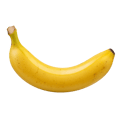
- 1 banana118 g
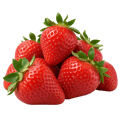
- 1 cup frozen strawberries150 g
- 7 oz Greek yogurt198 g
- 1 cup milk244 g
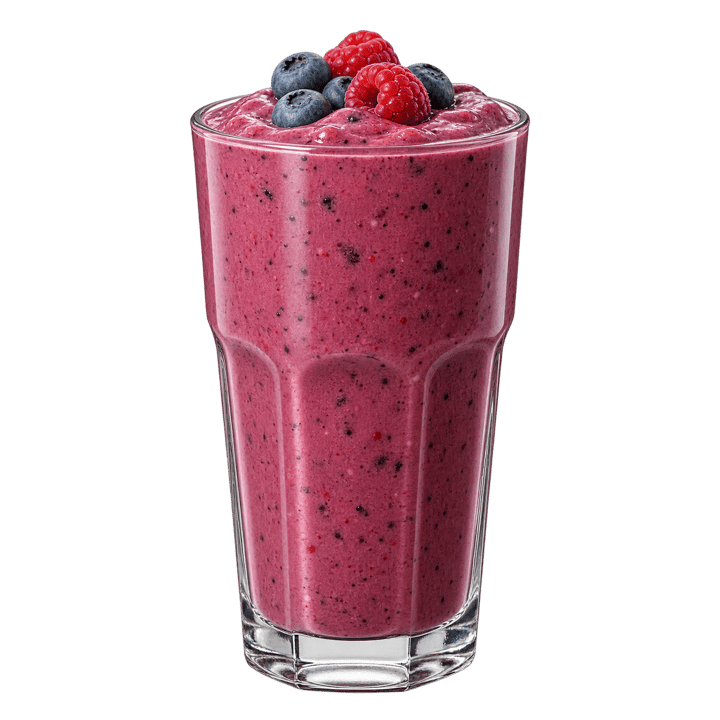
Strawberry banana yogurt A
30 g protein, 40 g sugar, none added. About $2.73 at US average prices.
From the chain

The Caribbean Way, 20 oz D
2 g protein, 83 g sugar, 50 added (Smoothie King's menu, November 2026).
On this page
A smoothie is a meal you drink, so build it like one. The fruit decides how it tastes. Everything else in the glass decides whether it’s breakfast or dessert, and most smoothies are dessert because nobody put the protein in. Give a glass the six jobs a meal has to do and it can be the best breakfast of your week, in five minutes, for less than $3.
What we’d do
Make it at home and make it a meal. Pour in a cup of milk or soy milk, add Greek yogurt or cottage cheese to reach your protein line (food does it fine, and a scoop of whey is there for the days you want one), then frozen fruit, a spoon of chia, flax or oats, and a handful of spinach when you can. Drink it in place of breakfast, never next to it. Keep the chain smoothie for a treat, and when you buy one, get the small size with a protein add-in.
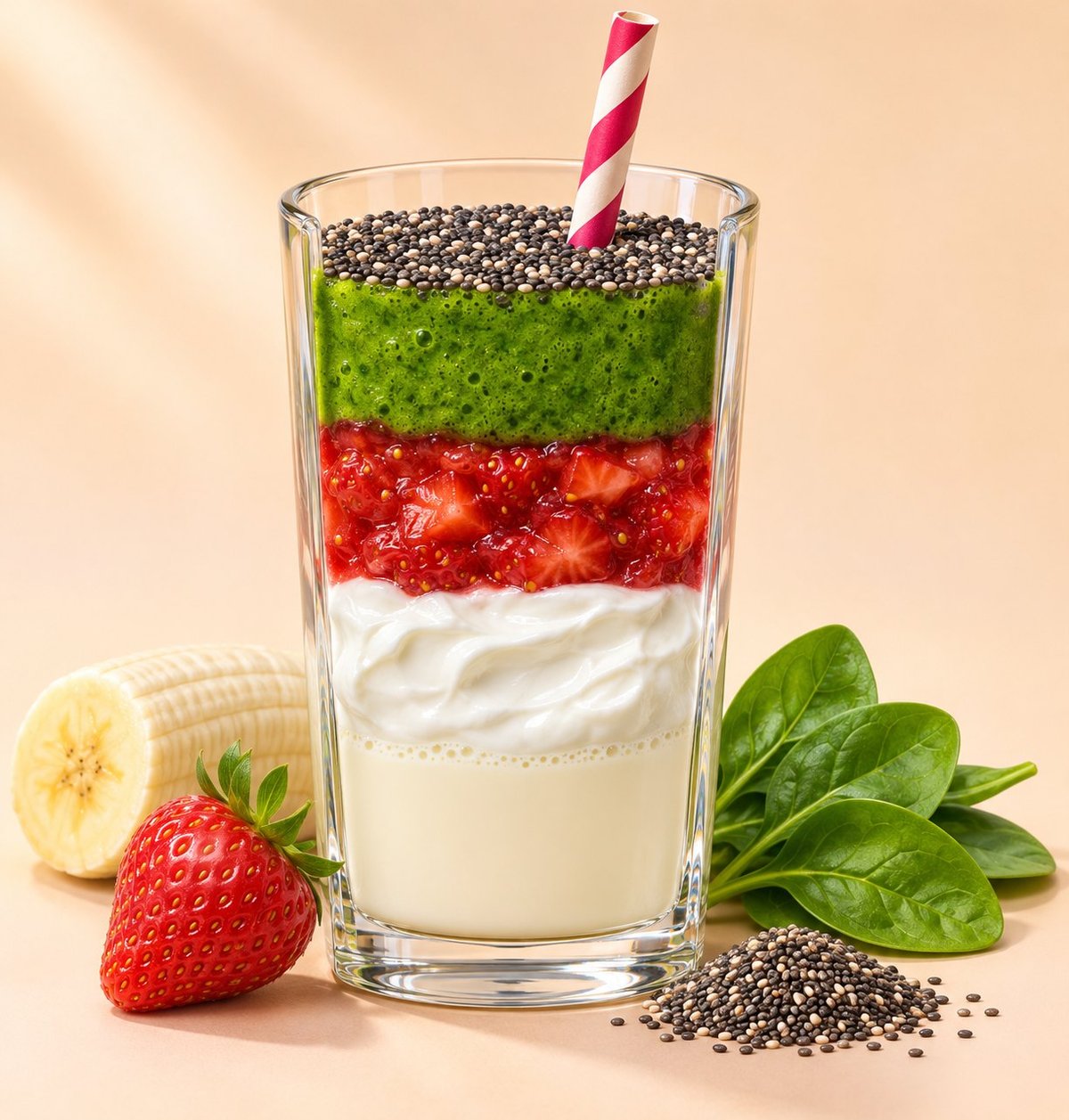
The glass we’d start with is four things: milk, Greek yogurt, frozen strawberries and a banana. It has 30 g of protein, no added sugar, clears all six meters for an A, and costs about $2.73 at US average prices.
If you remember three things
- A smoothie is a meal you drink. It has the same six jobs as a plate, and most fruit smoothies do two of them.
- Your body barely notices calories you drink. That’s why a glass has to replace a meal, and why protein and a thick glass do so much.
- The fixes are small. Milk and Greek yogurt in place of the juice, or two cups of spinach, is often all it takes to make a glass an A.
Same fruit, two different drinks
Ask anyone what’s healthy about a smoothie and they’ll say the fruit. A glass of bananas and strawberries sounds like the healthiest breakfast there is, so people buy one on the way to work, feel good about it, and are starving by ten.
The fruit was fine all along. A 20 oz Caribbean Way at Smoothie King has 390 calories, 83 g of sugar and 2 g of protein, according to its menu page in November 2026. Its ingredients are bananas, strawberries, a papaya juice blend and turbinado, a raw cane sugar, and 50 g of that sugar is added. That’s more sugar than two 12 oz cans of cola (37 g each). Our strawberry banana yogurt glass has the same banana and strawberries in nearly the same calories, plus a cup of milk and 7 oz of Greek yogurt. It has 30 g of protein and none of its sugar is added.
The same chain also sells the Gladiator Strawberry, with 45 g of protein and 1 g of sugar in 20 oz. It’s the same cup from the same store and a completely different drink, because of what went into it. Even that one falls short as breakfast, for a different reason.
Why your body treats a drink differently
A smoothie is a meal where the blender did the chewing. That’s what makes it quick on a busy morning, and it’s also the catch, because chewing turns out to be part of what fills you up.
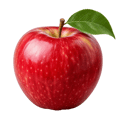
In 2009 Barbara Rolls’s lab at Penn State gave 58 adults about 125 calories of apple before lunch, once a week for five weeks, as a whole apple, applesauce, apple juice, or juice with the apple’s fiber stirred back in. After the whole apple, they ate 187 fewer calories at lunch, apple included, than with nothing first. After the juice, lunch barely changed, and adding the fiber back to the juice didn’t help.
The apple test: 58 adults, lunch plus what they had first
Drinks also leave the stomach fast. In a 2016 MRI study of 15 young men, a thin 100 calorie shake was half gone from the stomach in about 26 minutes, and a thin 500 calorie one took about 70. More calories kept the stomach full longer, and a thick shake made people feel fuller than a thin one, even with far fewer calories.
And your appetite doesn’t count what you drink. In a 2000 study, 15 adults got about 450 extra calories a day for four weeks as soda, and for four weeks as jelly beans. In the jelly bean weeks they ate less of everything else and made up for all of it. In the soda weeks they ate just as much food as before, and their weight went up.
Put those together and you have the whole story of smoothies. A glass slips past the part of you that keeps count, so it has to carry a meal and take a meal’s place. If you’re trying to lose weight, that’s the rule that decides everything (how to use a smoothie to lose weight). If you’re trying to gain, it’s the reason a glass works so well (a smoothie to gain weight). Why a smoothie doesn’t fill you like food has the rest of the science.
A smoothie has the same six jobs as a meal
Gyroscope grades every meal on six systems, and Gyroscope’s Food XRAY page says the grades “look at all the important variables to optimize”. A glass you drink as breakfast has the same six jobs as a plate, so we grade it the same way, on the same six meters as meals.guide’s plate checker. Each meter runs from 0 to 100 and has a line, and a glass has to clear all six to be an A. A glass that misses one tops out at B+, so a beautiful fruit glass with 4 g of protein can never be an A, however much fruit is in it.
Energy, the size of a meal
Your day’s calories over your meals, give or take a quarter. At 2,000 calories over three meals, a meal runs 500 to 830. A glass beside breakfast is a second breakfast.
Processing, food you could name
Most of the calories from milk, yogurt, fruit and seeds. Whey powder, most plant milks, ice cream and sherbet count as ultra-processed, and one scoop in a full glass still passes.
Muscle, enough protein
About 0.4 g per kg of body weight, 30 g at 165 lb. The average American breakfast has about 15 g, and a fruit smoothie has 1 to 5. The Gyroscope app personalizes yours.
Hunger, a glass that lasts
Protein, fiber and thickness. Greek yogurt, frozen fruit, oats and chia make a glass you sip, and a thin glass of milk and powder goes down in a minute.
Nutrients, more than calories
Calcium, potassium, iron and vitamins A and C for the calories, plus fruit and greens. A cup of spinach brings 121% of the day’s vitamin K for 7 calories.
Glucose, steady sugar
Whole fruit is fine, even blended. Juice, honey, syrup and turbinado are fast sugar, and the US guidelines allow 10 g of added sugar in a whole meal.
Here’s the juice bar glass most people make at home next to the same fruit built as a meal. The fruit glass has plenty of fiber, since blending keeps every gram, and it misses four of the six anyway.
Juice and honey

The juice bar glass C
334 calories, 4 g protein, 7 g fiber, 17 g added sugar
Milk and yogurt
Strawberry banana yogurt A
396 calories, 30 g protein, 6 g fiber, no added sugar
The Gladiator from the top of the page shows the other way to miss. It has 45 g of protein and almost no sugar, so Muscle and Glucose are full. But with 220 calories and 1 g of fiber it misses Energy and Hunger, and the chain prints nothing our Processing and Nutrients meters can use, so it grades C as a meal. It’s a protein drink, and a good one after a workout.
The fixes are smaller than you’d think
Once you can see the six jobs, most glasses are one change from an A, and the change is rarely the fruit.
- Add protein first. Swap the juice for milk, leave out the honey and add 7 oz of plain Greek yogurt, and the juice bar glass above goes from a C to an A. Nothing about the fruit changed.
- Add greens to anything. Our chocolate peanut butter shake, the Ultimate, grades a B without spinach. Two cups of spinach add 14 calories, fill the Nutrients and Hunger meters, and make it an A.
- Thicken it. A thick 100 calorie shake felt fuller after 40 minutes than a thin 500 calorie one. Frozen fruit instead of ice, Greek yogurt, oats or chia do it.
- Stop at two portions of fruit. One Medjool date has more sugar (16 g) than a medium banana (14 g), and a cup of 2% milk has 12 g, none of it added. The sugar in whole fruit and plain milk isn’t the problem, but a third portion adds sugar and nothing else.
- Don’t fear the blender. When researchers measured finger-stick blood in 20 students, blended apple and blackberries peaked lower than the same fruit eaten whole (28.8 against 42.5 mg/dL). What blending does to fruit has why a glucose sensor makes drinks look worse.
Without spinach

The old Ultimate B
434 calories, 40 g protein, 7 g fiber, no added sugar
With two cups of spinach

The Ultimate A
448 calories, 41 g protein, 9 g fiber, no added sugar
Build your glass runs every one of these edits on your own glass and shows the one that lifts it most. The meters are this site’s, published with every formula on the builder’s page, and the Gyroscope app works its own out, so the numbers won’t always match.
What’s your smoothie for?
People make smoothies for a dozen different reasons, and the glass changes with each one. Losing weight is the biggest by far in search, and it’s the one where a glass has to replace a meal. Gaining weight is the opposite, where you add it. On a GLP-1 the glass gets small and protein comes first, and for a kid the protein line goes and the added sugar has to be zero. Each reason has its own page.
 Losing weight Replace a meal, never add one
 A breakfast that lasts Protein and a thick glass
 More protein Your meal line, about 30 g
 After a workout Before or after barely matters
 More fruit and vegetables Two cups of spinach for 14 calories
 Spending less About $2.73 a glass at home
 Eating less on a GLP-1 Small, cold, protein first
 Steady blood sugar Berries, protein, no juice
 For my kids No added sugar, no powder
 Gaining weight Add the glass, and build it big
 No dairy Soy milk and tofu
 A treat Know the teaspoons
Buying it or making it
The chains publish what’s in their cups, and Smoothie King deserves credit for printing added sugar on every drink. Read the label before the name. Look for protein near your line, added sugar at 10 g or less, and no juice, sherbet or turbinado. A protein add-in fixes most fruit smoothies, and the small size fixes most of the rest. What to order at a smoothie chain has the menus, dated.
Making it yourself costs a lot less. The strawberry banana yogurt glass costs about $2.73 with milk, bananas and strawberries at the October 2026 BLS prices and Greek yogurt at USDA’s November 2026 average. Three $8 chain smoothies a week come to $1,248 a year, and the same three glasses at home come to about $426. Is it cheaper to make my own? does it with your order and your price.
What about protein powder?
You don’t need it. Milk and Greek yogurt reach 30 g together, and so does a cup of cottage cheese. Powder is handy, though, and one scoop in a full glass still clears the Processing line. In Consumer Reports’ 2025 tests, more than two thirds of 23 protein powders and shakes went past its cautious daily level for lead, and plant powders averaged about nine times dairy’s. It advised against daily use for most powders, and said there was “no reason to panic.” We’d lean on food and use a dairy powder on the days you want one. What’s in a protein powder has the tests.
The simple plan
If you want smoothies to make you healthier, this is how we’d do it, start to finish.
- Pick one glass, made from food, and make it a habit. Start with the strawberry banana yogurt, four things and no powder, since milk and Greek yogurt reach 30 g of protein on their own (more ways without a tub). Or pick the top ten recipe in your favorite flavor. Same base every morning, so you never think about it.
- Make it replace a meal. Usually breakfast. Never drink it next to the meal it was meant to replace, unless you’re trying to gain weight.
- Hit your protein line. About 0.4 g per kg of your weight, 30 g at 165 lb, from milk and Greek yogurt, cottage cheese, or soy milk and tofu, and a scoop if you like one. Size it to your weight. The Gyroscope app personalizes yours.
- Build the rest like a meal. Whole fruit, two portions at most, no juice or honey. A spoon of chia, flax or oats to make it thick. A handful of spinach whenever you can.
- Check it once. Put your glass in the builder, see which of the six meters it misses, and make the one change it suggests. A glass that clears all six can be breakfast every day.
- Track it in Gyroscope. Photograph the glass or type what went in, and Gyroscope logs its calories, protein, fiber and sugar with a grade. Gyroscope One adds the vitamins and minerals. After that, snap your shake once, then log it every morning with one tap, and the day’s target bars fill in from there. Food XRAY and how it works.
- Rotate the fruit and greens. Strawberries and mango for vitamin C, spinach for vitamin K and folate, berries for fiber. Keep the base the same and change the top through the week.
- Keep the chain smoothie for a treat. When you buy one, get the small size with a protein add-in.
The guide, part by part
- What goes in a good smoothie. The five parts, the order in the jar, and frozen fruit for cold and thick.
- Why a smoothie needs protein, and how much. Your meal line in grams, and why a bigger shake isn’t wasted.
- Why a smoothie doesn’t fill you like food. The apple test, the thick shake, and the build that lasts until lunch.
- How much sugar is in a smoothie. Fruit sugar against added sugar, in teaspoons and cans of cola.
- What blending does to fruit. Where the fiber goes, what happens to blood sugar, and why a banana browns.
- How to use a smoothie to lose weight. Replace a meal, never add one.
- What’s in a protein powder. Whey, soy and pea, the 2025 lead tests, and 30 g without a tub.
- What to order at a smoothie chain. What’s in the cups, and what the same glass costs at home.
- Who should build it differently. GLP-1 drugs, diabetes, kids, pregnancy, older adults, plant-based and warfarin.
What changed since our old guides
Gyroscope’s Restaurant and Fast Food Guide has a section on smoothies and juice bars. Its advice still holds: order a small, add a shot of protein, flax or chia, and skip the ones made with juice or sorbet. It also says smoothies are “simply carbohydrates” that make blood sugar spike and crash. Since then a finger-stick trial found that blended apple and blackberries raised blood sugar less than the same fruit eaten whole, so we kept the fixes and dropped the spike line.
These parts are new.
- Six meters, the same as a plate. As of November 2026 every glass on this site is graded on the six systems Gyroscope grades a meal on, the same scale as meals.guide, and a glass has to clear all six to be an A. Each of the top ten does.
- Sugar is counted per meal. The 2025 to 2030 US guidelines, published in January 2026, set 10 g of added sugar for one meal, and a protein range of 1.2 to 1.6 g per kg a day with protein at every meal.
- The lead tests. Consumer Reports tested 23 protein powders and shakes in October 2025 and updated its report in January 2026.
- The banana study. In 2023, flavanols drunk in a banana smoothie reached the blood at levels 84% lower than from a capsule, in 8 men. It’s one family of compounds, and a banana still brings potassium.
19 sources
- US Department of Agriculture and US Department of Health and Human Services, Dietary Guidelines for Americans, 2025 to 2030, January 2026cdn.realfood.gov
- Smoothie King, The Caribbean Way, 20 oz, menu page, opened November 14, 2026smoothieking.com
- Smoothie King, Gladiator Strawberry, 20 oz, menu page, opened November 14, 2026smoothieking.com
- Flood-Obbagy JE and Rolls BJ, The effect of fruit in different forms on energy intake and satiety at a meal, Appetite, 2009pmc.ncbi.nlm.nih.gov
- Camps G, Mars M, de Graaf C and Smeets PA, Empty calories and phantom fullness: a randomized trial studying the relative effects of energy density and viscosity on gastric emptying determined by MRI and satiety, American Journal of Clinical Nutrition, 2016pubmed.ncbi.nlm.nih.gov
- DiMeglio DP and Mattes RD, Liquid versus solid carbohydrate: effects on food intake and body weight, International Journal of Obesity, 2000pubmed.ncbi.nlm.nih.gov
- Schoenfeld BJ and Aragon AA, How much protein can the body use in a single meal for muscle-building? Implications for daily protein distribution, Journal of the International Society of Sports Nutrition, 2018pmc.ncbi.nlm.nih.gov
- Astbury NM et al., A systematic review and meta-analysis of the effectiveness of meal replacements for weight loss, Obesity Reviews, 2019pmc.ncbi.nlm.nih.gov
- Crummett LT and Grosso RJ, Postprandial glycemic response to whole fruit versus blended fruit in healthy, young adults, Nutrients, 2022pmc.ncbi.nlm.nih.gov
- Monteiro CA et al., Ultra-processed foods: what they are and how to identify them, Public Health Nutrition, 2019europepmc.org
- Consumer Reports, Protein powders and shakes contain high levels of lead, October 14, 2025, updated January 8, 2026consumerreports.org
- Ottaviani JI et al., Impact of polyphenol oxidase on the bioavailability of flavan-3-ols in fruit smoothies: a controlled, single blinded, cross-over study, Food and Function, 2023europepmc.org
- USDA Agricultural Research Service, What We Eat in America, NHANES August 2021 to August 2023, Table 1 (nutrient intakes) and Table 13 (breakfast)ars.usda.gov
- USDA FoodData Central, SR Legacy rows by FDC ID (milk 171267, Greek yogurt 170894, banana 173944, frozen strawberries 168173, spinach 168462, Medjool dates 168191), opened on nutritionvalue.orgnutritionvalue.org
- US Bureau of Labor Statistics, Average Price Data, US city average, October 2026bls.gov
- USDA Agricultural Marketing Service, National Dairy Retail Report, Vol 93 No 45, November 6, 2026ams.usda.gov
- Gyroscope, Food XRAY (the nutrition grades)gyrosco.pe
- meals.guide, the plate checker and its six metersmeals.guide
- Gyroscope, Restaurant and Fast Food Guide, Smoothies and Juice Barsgyrosco.pe